

The State of Cryptocurrency in 2026
Cryptocurrency has matured significantly. What was once a niche technology experiment is now a recognized asset class with institutional adoption and regulatory frameworks.
Bitcoin: Digital Gold
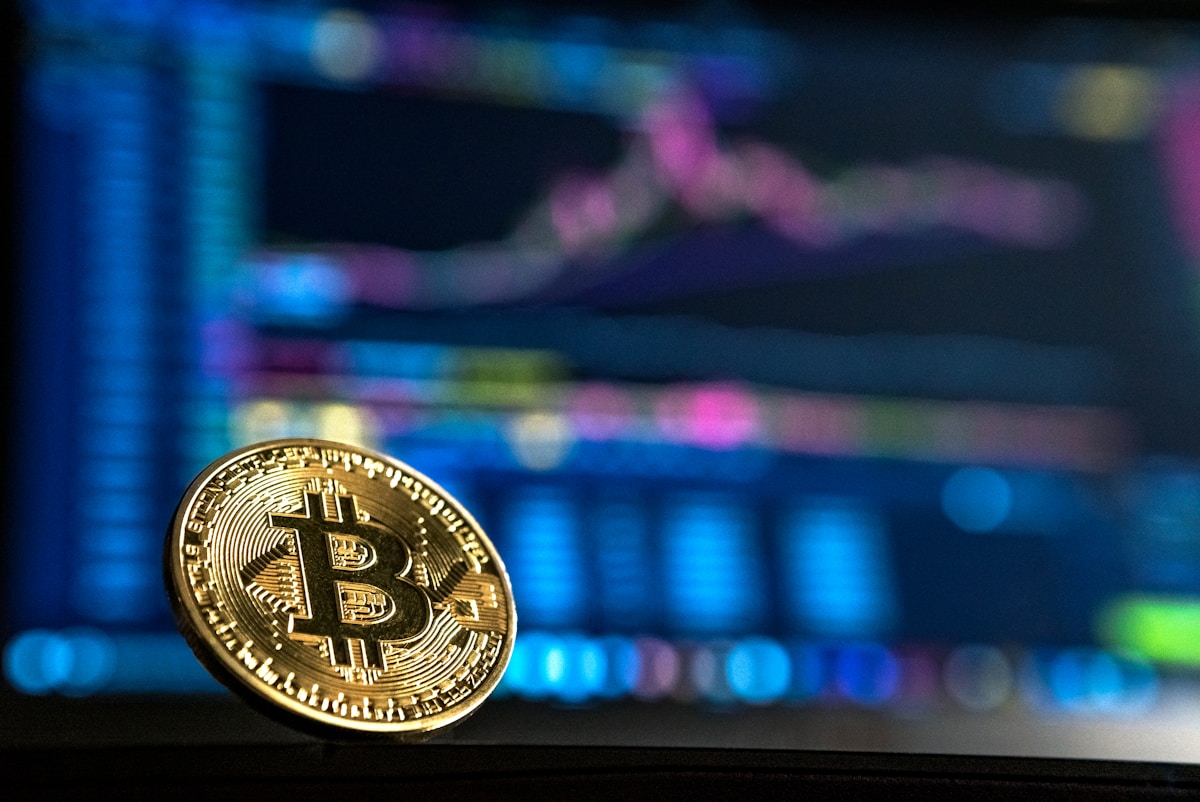
Bitcoin remains the dominant cryptocurrency, often referred to as “digital gold.” Its limited supply of 21 million coins and decentralized nature make it attractive as a store of value and hedge against inflation.
Ethereum: The World Computer
Ethereum powers smart contracts, DeFi (decentralized finance), and NFTs. Its transition to Proof of Stake has dramatically reduced energy consumption and improved scalability.
Emerging Technologies
- Layer 2 Solutions – Faster, cheaper transactions
- DeFi 2.0 – More sustainable yield protocols
- Real World Assets (RWA) – Tokenized real estate and bonds
- AI + Blockchain – Decentralized AI training and inference
Investment Strategies
Dollar-Cost Averaging (DCA): Invest a fixed amount regularly, regardless of price. This reduces the impact of volatility.
Portfolio Allocation: Most financial advisors suggest limiting crypto to 5-15% of your investment portfolio.
Risks to Consider
- High volatility – prices can drop 50%+ quickly
- Regulatory uncertainty in some regions
- Security risks from hacks and scams
- Loss of access to wallets
Never invest more than you can afford to lose. Cryptocurrency is speculative and should be approached with caution.
